News Changing lanes at Business Car Manager with editorial shift News Northgate experiences telematics growth as fleets improve vehicle and driver efficiency News Ineos launches commercial Grenadier Electric Vehicles, EV, Featured, News How to address the EV charging installation challenges In a bid to cater to the growing demand for electric vehicles and to reap the benefits of implementing EV charging infrastructure, more and more businesses are looking to invest, BY Chris Wright Electric Vehicles, News Drivers look to councils for on-street charging Car news and reviews, News, Suzuki Reviews Traditional values – Suzuki Swift review EV Charging Guide The workplace electric vehicle EV charging scheme EV Charging Guide What tax breaks are available for EV company car drivers? EV Charging Guide Are there grants available for LCVs and HGVs electric vehicles? Want motoring news? Email Submit Sign up for our weekly take on all things motoring. EV Charging Guide What is the difference between tethered or untethered EV charging? EV Charging Guide How do you find public EV charging points? EV Charging Guide Electric vehicle EV charging myths exploded Daily rental, Finance, Fleet management, Short term leasing Seven-seat cars are in demand both as rental and used Fleet management, News More than half of fleets using second hand cars Electric Vehicles, News Ten steps to encourage electric car conversions More from Business Motoring REVIEWSSee all our latest vehicle reviews here NEWSSee the latest industry news here AWARDSSee the Business Motoring Award Winners More Company car tax for vans, News SVA calls for industry to help HMRC find a solution to tax double cab pick ups Business Motoring Awards, Car news and reviews Leading the electric charge: Mobilize Power Solutions Electric Vehicles, News Europcar walks the talk to accelerate electric motoring BMW Reviews, Car news and reviews, News Road and track – BMW M5 CS review Electric Vehicles, News Is the government sleepwalking into an EV crisis? Car news and reviews, Electric Vehicles, News Vauxhall unveils next gen Grandland News Leasys to provide comprehensive short-term rental service Electric Vehicles, Fleet management, News Mobilize Power Solutions launches EV charge manager Fleet management, News, Salary sacrifice Mercia Fleet Management identifies savings on the grey fleet Electric Vehicles, EV, Featured, News How to address the EV charging installation challenges Electric Vehicles, News Savings to be made with new smart charging roll-out Latest Electric Vehicles, News Ohme encourages van fleets to go electric to reduce costs Car news and reviews, News Citroën uncovers next C3 Aircross Electric Vehicles, News Northgate launches new micromobility solution for corporate fleets Electric Vehicles, News BEV sales set to hit 400k in 2024 Electric Vehicles, News Shared charging plans make progress Car news and reviews, News, Peugeot Reviews Classy touch – Peugeot E-308 review Popular Changing lanes at Business Car Manager with editorial shift Northgate experiences telematics growth as fleets improve vehicle and driver efficiency Ineos launches commercial Grenadier Fleets predicting growth in vehicle numbers Drivers look to councils for on-street charging Traditional values – Suzuki Swift review The workplace electric vehicle EV charging scheme What tax breaks are available for EV company car drivers? Are there grants available for LCVs and HGVs electric vehicles? How do you charge an HGV electric vehicle? Lots Zero servicing presents huge dangers for fleets White choice – Nissan Leaf Shiro review Northgate grows network with new Borehamwood branch More Vauxhall reveals new Frontera EV When should fleet managers switch to EVs and how to plan the transition DriverCheck ensures Link Group’s staff stay safe and legal on the road Motoring Europcar boosts zero emissions in its fleet Bumper March for new vans as fleet demand surpasses 50,000 units March new car market sustains growth Click here for more content News Changing lanes at Business Car Manager with editorial shift News Northgate experiences telematics growth as fleets improve vehicle and driver efficiency News Ineos launches commercial Grenadier Electric Vehicles, Fleet management, Industry Intelligence, News Fleets predicting growth in vehicle numbers Electric Vehicles, News Drivers look to councils for on-street charging Car news and reviews, News, Suzuki Reviews Traditional values – Suzuki Swift review EV Charging Guide The workplace electric vehicle EV charging scheme EV Charging Guide What tax breaks are available for EV company car drivers? EV Charging Guide Are there grants available for LCVs and HGVs electric vehicles? EV Charging Guide How do you charge an HGV electric vehicle? EV Charging Guide What is the difference between tethered or untethered EV charging? EV Charging Guide How do you find public EV charging points? EV Charging Guide Electric vehicle EV charging myths exploded Daily rental, Finance, Fleet management, Short term leasing Seven-seat cars are in demand both as rental and used Fleet management, News More than half of fleets using second hand cars Electric Vehicles, News Ten steps to encourage electric car conversions Company car tax for vans, News SVA calls for industry to help HMRC find a solution to tax double cab pick ups Business Motoring Awards, Car news and reviews Leading the electric charge: Mobilize Power Solutions Electric Vehicles, News Europcar walks the talk to accelerate electric motoring BMW Reviews, Car news and reviews, News Road and track – BMW M5 CS review Electric Vehicles, News Is the government sleepwalking into an EV crisis? Car news and reviews, Electric Vehicles, News Vauxhall unveils next gen Grandland News Leasys to provide comprehensive short-term rental service Electric Vehicles, Fleet management, News Mobilize Power Solutions launches EV charge manager Fleet management, News, Salary sacrifice Mercia Fleet Management identifies savings on the grey fleet Electric Vehicles, EV, Featured, News How to address the EV charging installation challenges Electric Vehicles, News Savings to be made with new smart charging roll-out Electric Vehicles, News Ohme encourages van fleets to go electric to reduce costs Car news and reviews, News Citroën uncovers next C3 Aircross Electric Vehicles, News Northgate launches new micromobility solution for corporate fleets Electric Vehicles, News BEV sales set to hit 400k in 2024 Electric Vehicles, News Shared charging plans make progress Car news and reviews, News, Peugeot Reviews Classy touch – Peugeot E-308 review Electric Vehicles, Featured, News, Technology Electric platform to take LEVC beyond taxis News Danish brand takes aim at UK subscription market Fleet management, Keep it legal, News Fleets urged to check registration plates Electric Vehicles, Fleet management, News Zero servicing presents huge dangers for fleets Car news and reviews, News, Nissan Reviews White choice – Nissan Leaf Shiro review News Northgate grows network with new Borehamwood branch Electric Vehicles, News The Green Insurer adds van insurance as demand grows Electric Vehicles, Featured Vauxhall reveals new Frontera EV Electric Vehicles, News When should fleet managers switch to EVs and how to plan the transition Keep it legal, News DriverCheck ensures Link Group’s staff stay safe and legal on the road Electric Vehicles, News Europcar boosts zero emissions in its fleet News Bumper March for new vans as fleet demand surpasses 50,000 units News March new car market sustains growth Electric Vehicles, News Hybrid sales reach record levels Insurance, News Majority of motorists do not support ULEZ-type schemes Electric Vehicles, Featured, News Top of the world? Kia EV9 News Spring driving guide: Essential tips for a smooth journey EV Charging Guide What expenses can I claim for charging an electric vehicle at home? EV Charging Guide What’s the cost of an electric vehicle EV home charger? EV Charging Guide What speed do electric vehicle EV home chargers run at? EV Charging Guide How do company car drivers install a home charging point? EV Charging Guide Home charger installation guide? EV Charging Guide Running an electric vehicle as a company car EV Charging Guide What help is available for fleets? EV Charging Guide Where to charge your electric vehicle? EV Charging Guide What about electric HGVs? Charging Infrastructure, Electric Vehicles, News Get a year of motoring for less than £130 with Ohme Charging Infrastructure, Electric Vehicles, News Lookers opens first multi-franchise car HUB in Middlesbrough Electric Vehicles, News Little book of EV truths News FCA concerns over insurers’ valuation of written-off or stolen vehicles Electric Vehicles, News Star turn – Nissan Townstar Electric Electric Vehicles, News Pushing back against EV scare stories taxes fleet managers News Halal car finance platform, Ayan Capital, launches in the UK Charging Infrastructure, Electric Vehicles, News EV market reaches tipping point Charging Infrastructure, Electric Vehicles, News VW continues collaboration with Ohme as official EV charging partner Charging Infrastructure, Electric Vehicles, News Government expands EV chargepoint grant Keep it legal, News New scheduling feature developed for DAVIS Coaching News Fleets plan to reach full electrification earlier despite ZEV mandate delay Electric Vehicles, News Review – Nissan X-TRAIL Tekna e-POWER Charging Infrastructure, Electric Vehicles, News EV chargers more than double in North East as council partners with Connected Kerb Electric Vehicles, Featured, News New Peugeot E-5008 boast range of more than 400 miles Charging Infrastructure, Electric Vehicles, News APCOA live EV Charge-points reach 750 News Agency model leading to poorer fleet deliveries Charging Infrastructure, Electric Vehicles, News Are EVs really cheaper to run than petrol cars? News Appointments drive Fleet Alliance’s sustainable mobility strategy Charging Infrastructure, Electric Vehicles, News Octopus Energy and Addison Lee join forces for cheaper EV charging News Fleets asked to choose conference issues Business Motoring Awards, Featured 2024 Business Motoring Awards: Winners Announced! News EV Fleets: How much businesses could save if they switch Electric Vehicles, Fleet management, News 7 strategies for efficient fleet electrification Electric Vehicles, News Large EV discounts on the way from under-pressure manufacturers Charging Infrastructure, Electric Vehicles, News Andersen EV launches upgrade service for home chargers Electric Vehicles, News Dacia Spring pricing could place downward pressure on fleet EV pricing Charging Infrastructure, Electric Vehicles, News Public sector charging facilities should be opened up Electric Vehicles, News Survey reveals surge in EV interest Electric Vehicles, News Octopus EV calls for clarity on BiK rates for EVs Electric Vehicles, Featured, News Raving about RAV – Toyota RAV4 PHEV Electric Vehicles, News Fuel freeze welcomed but no good news for EVs Fleet management, Leasing, News Companies turn to short term leases to address grey fleet challenges Electric Vehicles, News, Salary sacrifice Impressive Tusker fleet growth pushes fleet to 75% EV Charging Infrastructure, Electric Vehicles, News Rightcharge and M-B Vans collaborate to make it easier for businesses to transition to electric News February registrations best for 20 years Electric Vehicles, News EV registrations continue to rise Electric Vehicles, News New hybrid powertrain for Citroën models Fleet management, News Fleets should redouble efforts on drug-driving Fleet management, News Carbon reporting becoming bigger part of fleet management Page1 Page2 Page3 Page4 Page5 Sign up for your weekly Newsletter Get our guide to what matters in the world, delivered to your inbox every Friday Popular News Changing lanes at Business Car Manager with editorial shift Northgate experiences telematics growth as fleets improve vehicle and driver efficiency Ineos launches commercial Grenadier Fleets predicting growth in vehicle numbers Drivers look to councils for on-street charging Traditional values – Suzuki Swift review The workplace electric vehicle EV charging scheme What tax breaks are available for EV company car drivers? Are there grants available for LCVs and HGVs electric vehicles? How do you charge an HGV electric vehicle? What is the difference between tethered or untethered EV charging? How do you find public EV charging points? Electric vehicle EV charging myths exploded Seven-seat cars are in demand both as rental and used More than half of fleets using second hand cars Ten steps to encourage electric car conversions SVA calls for industry to help HMRC find a solution to tax double cab pick ups Leading the electric charge: Mobilize Power Solutions Europcar walks the talk to accelerate electric motoring Road and track – BMW M5 CS review Is the government sleepwalking into an EV crisis? Vauxhall unveils next gen Grandland Leasys to provide comprehensive short-term rental service Mobilize Power Solutions launches EV charge manager Mercia Fleet Management identifies savings on the grey fleet How to address the EV charging installation challenges Savings to be made with new smart charging roll-out Ohme encourages van fleets to go electric to reduce costs Citroën uncovers next C3 Aircross Northgate launches new micromobility solution for corporate fleets BEV sales set to hit 400k in 2024 Shared charging plans make progress Classy touch – Peugeot E-308 review Electric platform to take LEVC beyond taxis The five reasons why you should get powder coating for your car wheels Danish brand takes aim at UK subscription market Fleets urged to check registration plates Zero servicing presents huge dangers for fleets White choice – Nissan Leaf Shiro review Northgate grows network with new Borehamwood branch The Green Insurer adds van insurance as demand grows Vauxhall reveals new Frontera EV When should fleet managers switch to EVs and how to plan the transition DriverCheck ensures Link Group’s staff stay safe and legal on the road Europcar boosts zero emissions in its fleet Bumper March for new vans as fleet demand surpasses 50,000 units March new car market sustains growth Hybrid sales reach record levels Majority of motorists do not support ULEZ-type schemes Top of the world? Kia EV9 Spring driving guide: Essential tips for a smooth journey What expenses can I claim for charging an electric vehicle at home? What’s the cost of an electric vehicle EV home charger? What speed do electric vehicle EV home chargers run at? How do company car drivers install a home charging point? Home charger installation guide? Running an electric vehicle as a company car What help is available for fleets? Where to charge your electric vehicle? What about electric HGVs? Get a year of motoring for less than £130 with Ohme Lookers opens first multi-franchise car HUB in Middlesbrough Little book of EV truths FCA concerns over insurers’ valuation of written-off or stolen vehicles Star turn – Nissan Townstar Electric Pushing back against EV scare stories taxes fleet managers Halal car finance platform, Ayan Capital, launches in the UK EV market reaches tipping point VW continues collaboration with Ohme as official EV charging partner Government expands EV chargepoint grant New scheduling feature developed for DAVIS Coaching Fleets plan to reach full electrification earlier despite ZEV mandate delay Review – Nissan X-TRAIL Tekna e-POWER EV chargers more than double in North East as council partners with Connected Kerb The Importance of regular maintenance for Land Rover vehicles New Peugeot E-5008 boast range of more than 400 miles APCOA live EV Charge-points reach 750 Agency model leading to poorer fleet deliveries Are EVs really cheaper to run than petrol cars? Appointments drive Fleet Alliance’s sustainable mobility strategy Octopus Energy and Addison Lee join forces for cheaper EV charging Fleets asked to choose conference issues 2024 Business Motoring Awards: Winners Announced! EV Fleets: How much businesses could save if they switch 7 strategies for efficient fleet electrification Large EV discounts on the way from under-pressure manufacturers Andersen EV launches upgrade service for home chargers Dacia Spring pricing could place downward pressure on fleet EV pricing Public sector charging facilities should be opened up Survey reveals surge in EV interest Octopus EV calls for clarity on BiK rates for EVs Raving about RAV – Toyota RAV4 PHEV Fuel freeze welcomed but no good news for EVs Companies turn to short term leases to address grey fleet challenges Impressive Tusker fleet growth pushes fleet to 75% EV Rightcharge and M-B Vans collaborate to make it easier for businesses to transition to electric February registrations best for 20 years EV registrations continue to rise New hybrid powertrain for Citroën models Fleets should redouble efforts on drug-driving Carbon reporting becoming bigger part of fleet management UK risks missing ‘golden’ investment opportunities in green revolution Insight: UK EV retail sales not ‘dead’ says Kia CEO Launch report: A more affordable Kia EV9 Launch report – a more affordable Kia EV9 VW signs UK EV battery recycling deal Fleetcheck launches new free inspection software Understanding the consequences of driving without insurance in the UK BYD debuts PHEV Seal SUV at Geneva BYD Seal PHEV SUV debuts in Geneva Geneva unveiling for first hybrid MG 3 Renault Scenic E-Tech wins Euro Car of the Year title Renault Scenic E-Tech is Car of the Year HMRC changes advisory fuel rates Ayvens inks 500,000 new-vehicle deal with Stellantis Fusilier is first full-electric 4×4 from Ineos Fusilier is first electric 4×4 from Ineos MG to launch IM electric brand at Geneva ‘Wrong sort of EV’ harming future fleet RVs Guide for business owners on choosing a company car Vauxhall adds fleet-friendly hybrids to new Astra Time to switch on to the benefits of leasing electric company cars Volkswagen unveils ‘all-rounder’ I.D.7 estate Volkswagen reveals ‘all-rounder’ estate I.D.7 Government reverses tax hike on pick-ups Charging gaps filled in Yorkshire National Parks BYD adds hybrid to electric at Geneva Vauxhall offers additional £2,000 deposit contribution on EVs One year’s free charging with Vauxhall and Tesco The most stolen vans and how to keep yours safe New marketing tool lets fleets add special offers to promote disposals Sad farewell to our Suzuki Across PHEV Discounts on electric cars have increase 204% in 12 months Better range labelling on e-vans critical to adoption HMRC to tax double cab pick-ups as cars Drivers pay the price as the number of parking fines rockets Shadow Roads Minister says Labour will reintroduce 2030 ICE sales ban Do your homework when switching to EV DriverCheck appoints new account manager as expansion continues New package combines cost certainty of leasing with rental flexibility Compleo Unveils Revolutionary 200 kW High Power EV Charger Ohme and Motability Operations ensure no driver is left behind in EV transition Used EV sales almost double in 2023 Car buyers reject electric in favour of petrol and hybrid NHS Scotland opens first pop-up solar car park and EV charging hub Claim rates are key to controlling EV premiums Long term test – Suzuki Across PHEV, going the extra miles! Nissan extends its partnership with Zapmap British Gas claims UK’s cheapest EV charging rate Did you know you can claim for carrying passengers on a business trip? Importance of Vehicle Insurance in UK Serversys integrates DAVIS to verify test driver eligibility EVs charge through the one million barrier Electric record breaker – Iveco eDaily 3.5t Polestar 4 now on sale in United Kingdom Stellantis Pro One expands hydrogen offer Fleet Evolution backs National Apprenticeship Week Is an EV right for you? Average age of fleet cars and vans continued to rise in 2023 Fleets set to remain ‘backbone’ of EV transition in 2024 ZEV new car mandate could put used car market on a knife edge Octopus Energy and Gett spark EV charging partnership for London’s black cabs Van operators starting to take hydrogen seriously Used EVs prices given a welcome boost as market realigns Frontera nameplate returns as an EV Clenergy EV and Paua collaborate to improve EV charging for fleets First Hydrogen trials with Wales and West utilities All electric Jeep Wagoneer heading here next year Shared electric van charging committee launched Navigating the complexity of modern fleet management systems Lotus partners with Bosch and Mobilize for charging access Vauxhall opens order for new long range Mokka Electric £15m deal underway for Stockport EV charging hub New data reveals London is the most EV-friendly city Nissan helps whisky distillery go electric Should Fleets back wider use of 20mph limits? Ohme is new smart charging partner for Hyundai EV charging network announces significant funding from EQT Infrastructure BT Group pilot powers up first EV charger repurposed from street cabinet Long term test – Suzuki Across PHEV Drivers continue to invest heavily in low and zero emission vehicles to boost market AFP unveils 2024 training programme New AI invoice scanning from FleetCheck set to save time for fleets Ensuring a smooth ride: Essential vehicle checks before a long journey Fleets switch to electric SUVs as van alternative Charging ahead: a positive 2024 for UK EV drivers Santander appointed preferred UK finance partner by Fisker Government funded project to explore how EVs can support the electricity grid EV report highlights budgeting difficulties EV drivers positive about electric vehicle switch Gridserve launches fully electric rapid response service fleet and in-house call centre Navigating car purchases: The comprehensive pre-purchase inspection RAW Charging launches ultra rapid Charging Hub at two sites Fleet PCN Management. Fast and Simple. AA’s new Mobile Mechanics added to Allstar ServicePoint network Make your voice heard Drivers still worried about EV battery life Ford Fleet Management launches new Uptime Solution Three reasons to buy an electric motorcycle before the year ends Review: Citroën ë-Berlingo Van M 50kWh Driver Edition bp pulse opens its most powerful EV charging hub in central London DfT announces £70m boost for grid upgrades Fleets entering tougher period of electrification Henderson and bp pulse roll out rapid EV charging for NI Cheaper fuel tops motorists’ Christmas wish list Long term test – Suzuki Across PHEV Vauxhall launches PCP offers on electric models Clenergy puts customer choice at the heart of EV driving Are you ready to ‘Go Electric’ with Greenarc? Andersen customers get free lifetime concierge service Only four weeks left to fix EV trade challenge Fleets fuel market but only four weeks left to fix EV trade challenge Leasys and Octopus partner on charging points 16 Tips To Secure Your Business Perimeter and Fleet Unsure if you are ULEZ complaint? Ensure these basic checks Octopus EV speeds past £1 billion electric car funding Honda offers EV for hybrid price Fleet operators drive First Hydrogen’s LCVs at inaugural track day Cyber Security in the Automotive Industry: An Introduction to R155 Regulations Dott improves correct parking with AI technology Industry pioneers unite to announce major shake-up of the UK’s EV charging market Managing the move to an EV fleet Is salary sacrifice a risk management blindspot? Europcar increases electric miles for delivery and collection Parts availability and technician shortages improving in 2023 Born identity – Cupra Born 58kWh 230PS e-Boost: Born identity – Cupra Born 58kWh 230PS e-Boost review Advantages of rail transport – An alternative to using fossil fuels for transportation UK BEV sales plummeted from 186% in 2020 to just 15% in 2023 Committee aims to break down barriers in fleet workplace BMW Group UK enhances Roadside Assistance fleet upgrade Ogilvie Fleet Joins the National Body Repair Association Latest E-3008 takes to the stage Autumn Statement – a deeper dive Little budget effect on the auto industry – more needed on EVs Fleet Evolution sees growing EV orders through sal sac Network Rail, APCOA and Compleo charge ahead with 3 more station car parks Rightcharge unveils electric fuel card for fleets Octopus to offer Fisker model in the UK Vauxhall opens order for new electric estate Partnership offers commercial customers salary sacrifice Government’s petrol and diesel ban delay deters EV car buyers EV drivers more confident in planning long trips LEVC achieves CO2 savings milestone Renault unwraps new Master van Call for increased communication to help avoid LEZ fines International expansion for fleet technology firm Keep your car safe and protected at home with these tips Fresh calls for a scrappage scheme Lightfoot eyes up £1m of rewards for 2024 EV sales plummet from 186% in 2020 to just 15% due to incentive removals What’s the real impact of VED changes for fleets switching to electric? New subscription to save EV drivers up to £227 a year launched BEV demand may stall next year, finds Bloomberg Intelligence On-street charging increases but the pace needs to pick up Drivalia partners with Zapmap for rentals Vauxhall unwraps new Vivaro range WEVC announces partnership with Hydro Extrusions SMEs face funding challenge Roundtable to cover range of fleet issues Fleets should consider training to counter EV tyre wear Experts predict there will be 1m BEVs on UK roads by February Licence Check launches driver app within coaching module Mazda’s EV gets an engine – a rotary one Government EV delay is ‘pragmatic’ – Mazda boss Vauxhall unveils new Combo Volkswagen ID.7 now available to order Keep your EV warm this winter Used BEV transactions double as second hand market goes green Over half of all buyers expect their next car to be an EV or hybrid Fleets need to work with insurers on EVs Consumer Duty increasing the role for smart insurance Revealed: Research suggests new EV could save couriers £5.5k per year, with those working in clean air zones saving and additional £1.5k with zero emissions SME’s must focus on safety when equipping fleet vehicles Ayvens reaches half-a-million EVs on the road Home working lengthens vehicle contracts Herd Group reveals new mobility brand name EV sales up but the pace slows in October New foundation course created by AFP Fleet Academy Cool cruiser: Audi A6 Avant 50 TFSI e quattro S tronic 220 kW (299PS) Cool cruiser: Audi A6 Avant 50 TFSI e quattro S tronic 220 kW (299PS) review Ohme and Polestar partner on home charging Europcar Mobility Group accelerates green initiatives Price still a key barrier to EV ownership Andersen EV home charge point installations double Driving through Europe: Your comprehensive guide to car rentals on the continent Wax for car paint protection: Hard or soft? Optimizing operational efficiency in the automotive industry Unveiling the BMW iX3: A new era of electric luxury Fleet use of independent garages rises by a quarter between year one and four Northgate expands its apprenticeship scheme Few fleets consider journeys when electrifying Leasys drives forward with sustainable mobility Do fleets need to check Chinese manufacturers for credibility? Smart electric driving – Understanding the sustainable benefits of smart #1 electric vehicles Roadchef and Gridserve announce Electric Super Hub in Chester Vauxhall and carwow partner of street charging programme Are young drivers being priced out of the EV market? How an EV can save couriers thousands in clean air zones Quoted motor insurance premiums accelerate with record rise Two out of three say modern cars are too big for multi-storeys Do you have a grey fleet policy? AFP introduces mentoring service What to look for when leasing a car for business Grey fleet drivers could be driving with invalid car insurance Stellantis unveils green LCV range It’s time to shine! Prices announced for new 208 E-statement – MG5 EV EV drivers to get first 6,000 miles free with new partnership E-statement – MG5 EV review Report shares recommendations for fleet decarbonisation Lex Autolease video supports transition to electric Citroën unveils budget EV Powering up fleets to reach net zero ALD Automotive I LeasePlan unveils new global mobility brand AFP Expo brings together fleet operators and service providers Two thirds of EV car buyers will consider used for their next purchase Fleet servicing lead times up 57% since start of pandemic Microlise inveils transport management solution Electric executive express – Audi Q8 e-tron Electric executive express – Audi Q8 e-tron review AX grows partnership with AA Insurance to include daily rental services New Jeep Wrangler heads for the UK Do you know the advantages of Salary Sacrifice for Electric Vehicles? What pence per mile should I be paying my drivers? The freight rail shipping fair market act – Fairness and competition in transport Large fleets drive September growth EV uptake continues to grow in September Newable completes acquisition of Synergy Automotive Plans to introduce a new bp pulse EV charging hub at South Mimms Electric vehicles – separating fact from fiction Life and Soul – Kia Soul EV Fisker hands over first UK model Save nearly £150 a month with Vauxhall’s new E-LCV grant Corparison signs up with Carwow for sal sac FleetCheck introduces new AI driver licence technology Sustainability Through SAP: How businesses are using technology to drive environmental initiatives Licence Check becomes carbon negative ahead of deadline Could Artificial Intelligence predict fleet breakdowns? InstaVolt plugs into Octopus Electroverse in charge towards EV future Xceedingly good – Kia Xceed XCeed PHEV 3 How to choose the perfect electric vehicles for business fleets AFP urges fleet to step up lobbying re 4.25 tonne e-van confusion Report highlights crucial role of fleet electrification in achieving net zero Are you happy with your EV? Fleet software could become obligatory in future as part of regulatory trends EV deadline change acknowledges van reality SOGO takes a lead with Scope 3 Data shows EV tyres lasting 6,350 miles fewer than petrol or diesel Peugeot opens order book for new E-308 ICE ban delay throws industry into turmoil Keeping it simple – Dacia Duster Keep your cables tidy MFG passes 500 ultra-rapid charger milestone Leases and warranties should align with new “real world” fleet replacement cycles Allstar unveils EV payment solution Fleet Alliance reports strong uptake in EV salary sacrifice The impact of driving a sports car on professional image The UK’s ten most challenging roads Gridserve and Roadchef announce roll out of first Electric Super Hubs Fleet Operations completes major investment in OviDrive Ford Fiesta – last man standing? Peugeot unveils new E-3008 Electric cars soar in ownership over past three years New iVendi product aimed at largest motor retail businesses Bargain 7-seater – Dacia Jogger New Europcar web tool utilises delivers premium customer experience New app trials accessibility of the public charging network for disabled people Fleet supermarket fuel purchases have fallen by 15% Fleets continue to charge ahead with EV adoption High demand forecast for used Electric Vehicles Largest public EV charging hub opens at the NEC Birmingham Thrifty launches FlexiConnect for pool fleets VEV reveal fleets are ‘over-specced’ by up to 20% in their electrification plans Ogilvie Fleet expands in the South of England with Mark Beattie Octopus EV and Co Charger join forces to close EV charging gap Research reveals UK hot spots for public rapid chargers Europcar Mobility Group UK partners with Zapmap in UK rental first Fleet drivers can now book directly into workshop diaries for maintenance Drivers fear being left behind by speed of change in EV tech More used EV information can convince car buyers to make the switch Save up to £31,500 on a new Maxus EV as London expands ULEZ scrappage scheme EV remand continues to grow Rev-up your sales: SEO strategies for auto body shops Citroën streamlines passenger vehicle range RAW Charging installs EV chargers at over 50 Greene King sites EV charging costs in Europe surge by 21% Gridserve hits milestone of 50 new Electric Super Hubs Suzuki Across PHEV – ticks many boxes Controversial ULEZ scheme is expanded in London From dream to drive: Launching your chauffeur service in Ireland Businesses express concern over ULEZ expansion How to maintain electronic braking systems high-performances on a trailer truck AFP to create “definitive picture” of EV versus ICE SMR costs Support required to create a sustainable used EV marketplace Alphabet bolsters support for smaller fleets with new appointment Santander joins with MG Motor to launch EV benefits scheme evec launches new Dual Wall Mounted EV Charger Fall in used EV prices helps boost sales and reduce stock levels Why are so many UK EV chargers broken? Strategic partnership aims to optimise fleet electrification Pioneering solar car port launched Vauxhall launches PCP offer on EVs Is your EV charging cable safe? IMI supports House of Lords inquiry into EV adoption Vauxhall launches street charging initiative Power up your protection: Essential tips for keeping your EV safe on the road First Hydrogen and Rivus issue findings from hydrogen LCV road trials Deputy chairs appointed at AFP Cost-of-living crisis increasing grey fleet risk Fleets say vehicle supply has been hit by semiconductor shortages A new BYD to attract EV buyers BYD targets rapid growth in all sectors The benefits of salary sacrifice – Electric cars The benefits of salary sacrifice – Electric cars Webfleet sets new range record Exploring Rural Transportation – Establishing a Rural Shuttle Service Mercedes-Benz chooses Ohme as its smart charger partner Record first half for moDel and 1m vehicle handovers in sight IMI supports call for urgent review of e-bike and e-scooter regulation Will an Airbnb approach towards EV charging help support UK infrastructure? Fraud Mitigation Strategies for Automotive Websites: Safeguarding User Transactions and Data Honda launches second BEV Electrified vehicles account for a third of the July market The ultimate mountain biking experience: Tips and techniques for off-road riding Civic duty – Honda Civic e:HEV Civic duty – Honda Civic e:HEV review bp invests £4m in fleet optimization software provider Dynamon Businesses offering on-site charging set to double Mobilize and Select launch new leasing brand Volkswagen Commercial Vehicles: Powered by electrici-tea! Van fleets expect cost increases in next 12 months Is your car insurance working for you? Government ambivalence over 2030 EV deadline damaging for fleets Citroën unveils route app for EV drivers Changing the charging rules – better late than never Five ways identity theft can affect car buyers Demand for electric vehicles falls in first half of 2023 Driving customer satisfaction: How vehicle tracking enhances service delivery CBVC and ElectriX launch business leasing All that Jazz – 1.5 i-MMD Crosstar Advance eCVT review Europcar Mobility Group UK boosts focus on EV with new role Gridserve chooses Dootrix to help sun-to-wheel project InstaVolt submits planning for London’s largest ultra-rapid charging hub Electric vehicles and eyewear: How driving has accommodated glasses Gridserve accelerates high-power charging with battery and solar innovation Business customers driving EV sales Northgate announces technician recruitment campaign Businesses look to grow their fleets Tata announces new battery plant Enjoy the silence – Mercedes-Benz EQC 400 4MATIC AMG Line More than half of motorists are against pence-per mile road tax for EVs Used EV prices show signs of stability and parity with ICE cars Enjoy the silence – Mercedes-Benz EQC 400 4MATIC AMG Line Thinking of investing in a new car? Top reasons to consider a C5 Corvette Appeal for fleet managers to trailblaze new apprenticeship Amalga sets its sights on a zero-emission future Streamlining fleet maintenance and battery management through intelligent solutions Electric fleets could reduce UK CO2 emissions by 3.4 million tonnes a year SSE’s teams test First Hydrogen’s green hydrogen-powered vehicle Mina launches ‘plug to payment’ subscription make to simplify EV transition Small changes to ICE vehicle maintenance and driver habits can help reduce fleet emissions The electric future: Creating the next generation of automobiles Government announces new EV charge point rules Pearson takes to the field for Vanaways sales team Battery technology tops the list for next car purchase Are you protecting your fleet against hi-tech thieves? Van fleets start to turn away from electric BLUETTI’s Unbeatable Prime Day deals: The best offers on solar generators Peer-to-peer EV sharing platform launches InstaVolt announces plans for UK’s largest EV rapid charging Super Hub Why you should consider a motorcycle for your business Fleets should start reducing their LCV emissions prior to onboarding EVs 3ti supports Silverstone’s sustainability strategy Tusker enjoys record six months New rapid EV charging site opened at Gamston Lock pub and restaurant Top 10 Cars with the best boot space: Find your perfect fit Beyond boundaries: Truckers’ experiences in different countries E.ON and Alphabet partner to bolster charging solutions Eye-catching – Toyota C-HR Excel Manchester’s first EV charging ‘Oasis’ gets green light Not a mild facelift for the Polestar 2 Liberty to roll out all-electric fleet Do you gather carbon emissions data from employee commuting? Improving communication with your fleet drivers Peugeot updates 208 and e-208 Polestar: Transparency is winning us fleet business How autonomous vehicles are changing the landscape of auto repair Herd Group looks shake up fleet management sector with director Market up as industry calls for VAT cut on EV public charging New metering deals set to fast-track 10,000 new EV charging points Can you protect your car from high-tech theft? Auxillis appoints Van Monster Remarketing as car disposals partner Fleet Evolution takes Panorama to task over ‘EV distortions’ Vauxhall launches guide to EV etiquette DPD to roll-out robot deliveries to 10 UK towns and cities Motorhome maintenance 101: Keeping your vehicle in top shape Cryptocurrencies as a payment method for buying cars Government needs to do more to speed EV uptake Research reveals range loss when towing Record quarterly insurance spike may impact younger drivers Game-changing power solutions for outdoor enthusiasts Business drivers could owe up to £1.6bn in excess mileage charges Zapmap and The Green Finance Institute reveal EV charge point utilisation First Gridserve Electric Retail Hub opens at Dobbies Save more money when charging your EV from 1st July Stellantis Launches Free2move Charge More accurate range labelling needed on E-vans Edwin James Group targets carbon reduction with electric vans from Fleet Alliance Prices announced for new Peugeot 508 range Driver safety and training – Ensuring a responsible fleet in the UK Orders open for new Citroën C4 X models Fleets extending van replacement cycles to eight years E number – Nissan Qashqai e-POWER Tekna 190 review Growing popularity of electric or hybrid vehicles Octopus Electric Vehicles raises £650m to turbocharge electric car revolution Used hybrid sales surge ahead of diesel in May The Herd is on the move… Five factors to weigh when choosing your company’s headquarters Unleashing the potential of commercial electric vehicle fleets Things to consider when switching to an electric fleet New mobility companies want digitalised approach to fleet SMR Electric van shortages holding back businesses from switching to clean vehicles Cut emissions and fuel costs by cutting unnecessary idling Enter electric vehicle and suppliers awards today! Kangoo becomes the top selling EV Vauxhall opens orders for Astra Sport Tourer Vauxhall to be fully electric by 2028 Essential cost control strategies for fleet managers bp expands access to EV charge points for Fuel & Charge customers Osprey opens Devon hub ‘i’ Performance – BMW i4 eDrive35 IBMG halves its carbon footprint with Fleet Alliance Thousands of pounds to be won by Britain’s best fleet drivers EV purchasing becomes “normalised” as buyers recognise longer range potential EV battery advances could be double-edged sword for fleets EV charging is becoming the ‘new maintenance’ Fleet managers critical to business success as cost pressures mount EV values starting to rally say BCA South Central Ambulance Service manages driving risk with DriverCheck Charging hub opens in Croydon town centre Ohme is new charging partner for the Norton Way Group Nationwide Vehicle Contracts appoint Lundie as FD LeasePlan tackles EV charging etiquette with launch of dashboard timer Finding an EV-qualified technician is a postcode lottery Restrictions on E Vans causing issues for operators EVs now account for a quarter of all new models available Rev Up the Excitement: A Guide to Hosting an Event for Motor Enthusiasts HMRC updates Fuel Advisory Rate Businesses urged to consider accessibility for workplace charging InstaVolt partners with Waypoint Asset Management to install rapid chargers Fleet operators call for ambitious and simple ZEV mandate Legacy ICE vehicles could mean fleets need to learn new SMR skills Discounts start to appear on EVs Driving into the Future: Unveiling the Hottest Electric and Autonomous Vehicles Unlocking business potential: Essential digital tools for modern motoring enterprises Business miles are on the rise for smaller fleets, but duty of care knowledge is falling behind Northgate expands in Scotland with new Inverness branch Fleets should accelerate use of technology to help boost efficiency and safety Home EV charging costs drop – but drivers can easily lower them more Nissan GB appoints new fleet director Boost for locals and holidaymakers as largest charging hub in the South West opens Can EV sal sac mitigate effects of 40% tax trap? Octopus Electroverse launches EV charging solution for businesses Leasing helps canny consumers save over £10,000 on new electric vehicles May the 4orce be with you – Nissan ARIYA E-4ORCE review Chattel Mortgages: How They Work And When To Use Them Looking for a personalised ‘plate – What’s in a number? Pick up some pick-up tax tips Car theft on the rise: Why it’s up by almost 30% Creating a Buzz – VW ID.Buzz review VW ID.3 Family Pro Performance – Lots to like Don’t be afraid of foreign trips in an EV Be careful when dipping into the pool – HMRC is watching Cold as ICE: Getting ready for 2030 Have you got your mileage rates right? Damage compensation costs could have filled 340,000 potholes Electric Motorcycles can help the industry reach a new audience Pole position – Polestar 2 Pole position – Polestar 2 Review SEAT reveals UK’s top five motoring myths Ford Unveils All-Electric E-Tourneo Courier Fleets taking SMR back in-house An e-fuel twist in the tailpipe for zero-emission vehicles Hydrogen fuel cells exceeding expectations How good is your understanding of EVs? Leasing Vs. Buying: Which Is The Better Choice For You? The Environmental Benefits of Electric Vehicle Charging: How EVs Are Helping to Reduce Carbon Emissions Promoting Sustainable Mobility through Electric Car Rental Services The relationship between the Royal Family & private plates bp pulse focuses on fleet-charging Best Practices for Home EV Charging Honda showcases new range of electrified vehicles and services How to write a business plan for cars commerce Rising costs mean tyre management becoming more important to fleets UK businesses plug the gap on EV charging Musso muscle – Ssangyong Saracen 2.2-litre pick-up Ford announces three-year hydrogen trial Carparison Leasing partners with British Gas for affordable home charging Falling EV values becoming an issue for fleets University achieves compliance assurance for grey fleet with DAVIS single sign on What do drivers want from automotive HMI design? EV sales growth continues to gather pace A guide to insuring a leased vehicle SMR issues increasing fleet VOR time Kia charts new course for the Software Defined Vehicle Two-thirds ready for self-driving cars, research shows Why are KIA Cars So Popular? Connected vehicles to deliver new level of transparency for daily rental fleets First Hydrogen starts vehicle trials with Rivus Importing data from EV chargers proving difficult More hybrid power adds appeal to Suzuki Swace New smart EV charger and free app aim to keep EV drivers on the road ChargeUK is the new voice of the EV charging industry Cost pressures delay fleets’ net zero ambitions Fleet interest as Suzuki plots electric future New Accessible EV charging oasis opens Aros Filter AB covers the topic of cleaning and maintaining diesel particulate filters The importance of strict requirements for particulate filters – Aros Filter AB tells us more ULEZ expansion drives motorists towards flexible vehicle access models Leasing pioneer Tusker supports FairCharge campaign AFP creates EV mileage cost calculator Practically different, the new Kia Soul EV How long does it take a battery to degrade? DAVIS hits the one million mark for the first time Ford BlueCruise raises questions for fleets Home-charging is major barrier to EV adoption How electric fleets can save tonnes of CO2 emissions IVECO unveiled its new eDaily CV Show launchpad for eDELIVER 7 WATT electric van makes its global debut at CV show Ohme is new charging partner for Perrys Motor Sales Range finder – How far can the top 10 EVs get you? APCOA launches over 500 EV charging points across the UK VWFS Fleet appoints new EV expert New rapid charge Be.EV hub at Warrington shopping centre VW takes the wraps off ID.7 Grand old Juke – Nissan Juke Hybrid Carparison partners with Eden Sustainable for solar energy solutions Ineos announces plans for new electric 4×4 RAW Charging to deliver EV Charging across National Trust places WEVC puts e-van drivers at the centre of attention Octopus Electroverse enables easy Plug & Charge tech for EV drivers Van Monster – Highly commended for remarketing Northgate – Highly commended for long term rental Don’t miss out on EV Workplace Charging Scheme grants Audi chooses Ohme as a new official smart charger partner EV salary sacrifice scheme rated most valuable benefit SME fleets struggling to seize the EV opportunity Finding answers – JCT600 Vehicle Leasing Solutions Can taxi drivers get competitive taxi insurance after convictions or claims? VW’s best-seller – T-Roc Life review EV Mandate could create operational issues for fleets Can Foreigners Lease Cars in the UK? Gridserve opens two new Electric Super Hubs in the North East Leasys, a new European mobility player Adding value – Europcar, winner Best Short Term Rental Award BEV sales hit record monthly high Aston Barclay launches monthly EV auction One stop shop – Ogilvie Fleet, Best Company Car Programme Age of company petrol fleet on the rise Diesel power for the upmarket Mazda CX-60 Fleet Zero – decarbonising the business transport sector 4 sustainable fleet management tips for your business Smoothing the rental journey – Europcar, Long Term Rental Award Switch your company cars with the EV experts Creating a Buzz – VW ID.Buzz Mazda boss – diesel still has something to give Fleet-manufacturer relationships dip to “all time low” Government promises further clarity on ZEV mandate The Growing Importance of Electric Vehicles for SMEs and Business Drivers Aston Barclay – Winner Business Motoring Best Remarketing Service Barlows adds Toyota Corolla Commercial hybrid electric van to fleet Prototype eLCV to make CV Show debut Do your drivers know about new safety tech on their vehicles Solar-powered EVs get go-ahead for Northumberland Council First Hydrogen and Rivus partner for LCV trials UK motor manufacturing being failed on electrification Renault unwraps new Espace Europcar – winner, Business Motoring Best Mobility Solutions New EV efficiency tools added to FleetCheck software M&D Care automates licence checking with API from DriverCheck Ohme is new charging partner for the Waylands Group Connected Kerb and Surrey CC seek lead on public charging points Andersen EV launches new home charger AR tool Smart choice – Ohme, a Business Motoring Awards winner Six things to consider when buying a private number plate Select Car Leasing joins forces with Rightcharge Fleets taking EV efficiency more seriously Great IDea – VW ID.4 Style Edition 77 kWh Pro 174 PS Driver mental health hit by soaring cost pressures Ex-fleet electric vehicles taking twice as long to sell to dealers as ICE InstaVolt expands its largest charging hub Northgate roadshows reveal top three fleet LCV electrification challenges Great IDea – VW ID.4 Style Edition 77 kWh Pro 174 PS review Is there a place for e-fuels post 2035? Top awards for Ogilvie Fleet Everything you need to know about accessories for the Tesla Model 3 & Y Alphabet reports rise in demand for sustainable fleets CUPRA sees 42% increase in fleet sales Volkswagen premiers sub £22K EV How to save on student car insurance costs in the UK? Advantages and disadvantages of installing dash cams for fleet vehicles Novuna and Applied Driving create online EV driver training Handsome Gran Tourismo – Audi e-tron GT quattro 350kW VW’s digital tool helps businesses looking to go electric Sales to continue their upward trend this year Turbocharge UK competitiveness to win Race to Zero prize Octopus EV and BYD agree landmark deal Company EV car tyres bigger and more expensive What insurance do you need to become a Taxi Driver? Lightfoot helps Co-op to cut fuel costs Tevva electric truck now eligible for plug-in grant 2023 Business Motoring Awards – The Winners New AFP course to make women’s voice heard Get switched on to EVs with SwitchedonEV.com Herd appoints new Group Head of Fleet LEVC’s electric cab overtakes diesel in London Abbott Labs on target for all-EV fleet 2023 Connected and electric – Audi Q4 e-tron 40 Sport 150kW Connected and electric – Audi Q4 e-tron 40 Sport 150kW review Safety tips when using a refrigerated trailer for hire Addison Lee opens new driver Fleet Hub near Heathrow Strong hybrid sales fuel February market Shared e-scooters and e-bikes could boost economy by £1.1 billion Young drivers better off leasing their first car than buying Starting your own car repair shop: The basics AFP launches updated tax manifesto ahead of spring budget bp pulse and APCOA to build EV hubs across Europe Ohme is smart EV charging choice for VW Ireland BMW launches hydrogen demo fleet Free fleet training videos added to FleetCheck’s online Learning Library Nissan’s EV-olution – Ariya 160kW Evolve 63kWh Nissan’s EV-olution – Ariya 160kW Evolve 63kWh review Northgate customers accelerate EV transition by avoiding lead time delays Chinese arrivals may drive down EV prices BMW i4 eDrive35 order books open Who will be this year’s Business Motoring Award Winners? Fuel duty set to Rise – could this help used EV sales activity? A Guide to MOTs AFP conference to focus on practical advice for fleets Audi VIN Lookup Guide 2023 Peugeot introduces new 48v hybrid powertrain to 3008 and 5008 Watt eCV1 unveiled – the foundation for future electric LCVs Seven-in-ten van fleet drivers would prefer to drive electric Charging worries? – myths exploded First Hydrogen teases next gen LCV Fleet industry could consider more UK sourcing as Nissan questions factory future Fleet Evolution launches ReturnCheck to assess end-of-contract vehicle damage Review – Suzuki S-Cross full hybrid Ultra Roberts takes on newly created role at CBVC Home charging keeps EV costs down Electric company car mileage myth “busted” by new data New Peugeot 408 now at dealerships Honda puts the case for hydrogen EV charging network not keeping up with demand Telematics “almost essential” for EV fleet adoption New car market defies national trend to deliver green growth January sales the best since pre-Covid Charging Times: Hyundai Kona Electric 10-80% in just 53 minutes Smith appointed Head of Sales at DriverCheck No frills but a lot of fun – Citroën C3 YOU PureTech 83 S&S Manual review Fleet managers becoming conversant with EV battery types Leasing companies key to Polestar brand building fuelService app helps those with accessibility needs Fleet Evolution webinar looks at living with an electric car AFP considers fleet apprenticeship idea Onto raises £100M credit facility to accelerate the shift to electric mobility Northgate delivers 2000th vehicle procured through Pretium Framework Redde Northgate colleagues charge ahead with Ogilvie Fleet Supermarket charging stations plagued by connection issues Fleet software reduces unplanned vehicle downtime Getting your first car in 2023 – What do you need to know? Ebbon Automotive sees record results for moDel in 2022 Kia launches EV charging reward programme EV drivers need residual value protection E-van availability is an opportunity for fleets Mixed reaction to MoT proposals Energy crisis sends e-scooter and e-bike use higher Arval ignites Sanofi’s employee support and CO2 reduction drive BWB reduces risk with Licence Check The modern costs of car rentals GRIDSERVE opens Electric Super Hub at Solstice Park Team leasing, outsource or in-house team – what is the right choice Used EV prices fall as fleet and budget sector values reach record highs Smooth operator – C5 X Shine Plus Plug-in Hybrid 225 ë-EAT8 automatic Can solar car parks cut your energy bill? Is it a car? Is it a van? – Toyota Corolla Commercial Opportunity knocks for UK automotive sector in 2023 Tesla price drop will hit residual values New Year heralds new appointments at DriverCheck Reaching the right audience Protect your business Vehicle: 5 basic Steps to help prevent van theft E-mobility trends 2023: Juice provides a glimpse into the crystal ball loveelectric announces partnership with Egg Claridge appointed head of account management at epyx Stay on top of fuel costs as prices predicted to fall Smart Citroën – ë-C4 Electric Fleets need to look beyond full autonomy tech Last chance to enter the Business Motoring awards E-bike and e-scooter use leaps in 2022 EVs hit largest ever monthly market share December sales uptick not enough to offset earlier declines 5 Reasons Why Business Owners Should Consider Car Leasing How to make your fleet management process quicker & easier More than 90% trialing e-vans opt to keep them Alphabet releases Fleet Report: What to expect on the road ahead Finance and price key to new wave of Chinese electric cars Arval’s medium-term rental fleet grows 50% in a year Government action needed to kick start E-van adoption Electrifying your fleet: Where to start? Design could be the key to electric motorbike uptake Audi Q5 vs Kia EV6: Why should I go electric? Don’t let your responsibilities slip this festive season Ogilvie Fleet appoints new Business Development Manager Click here for more content
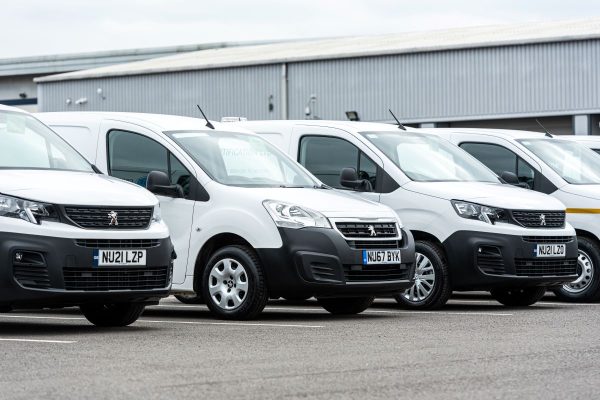
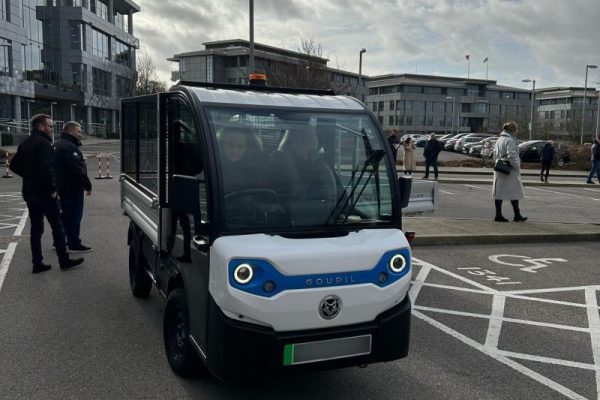
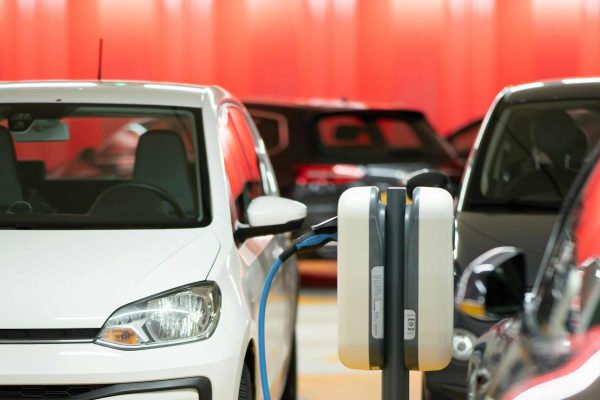
Revealed: Research suggests new EV could save couriers £5.5k per year, with those working in clean air zones saving and additional £1.5k with zero emissions
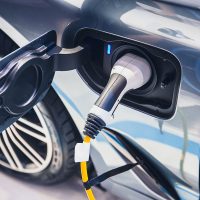
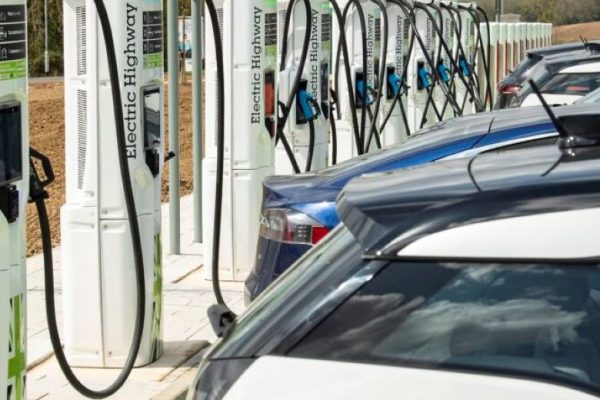
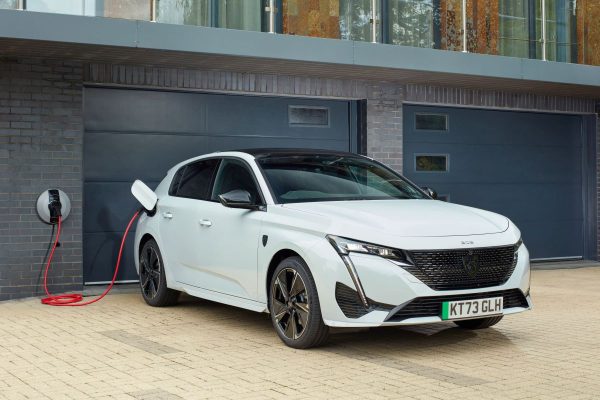
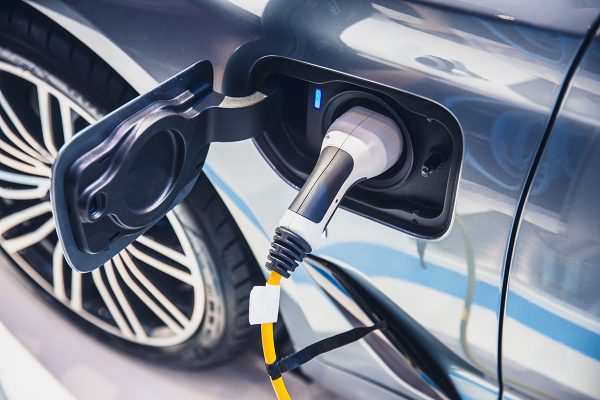
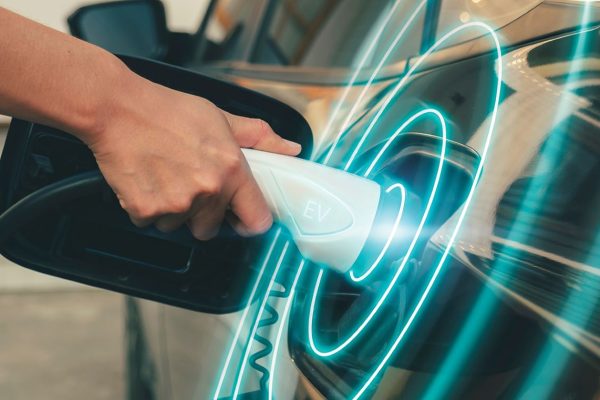
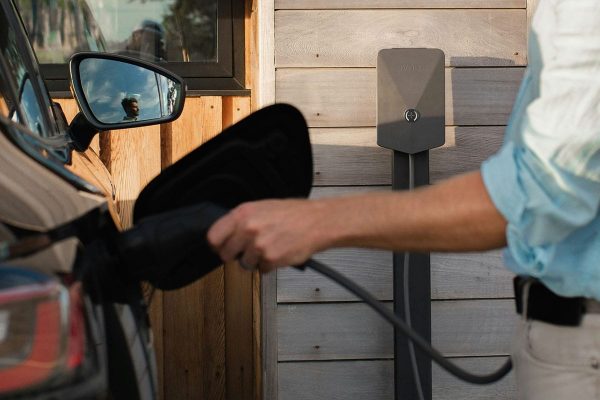
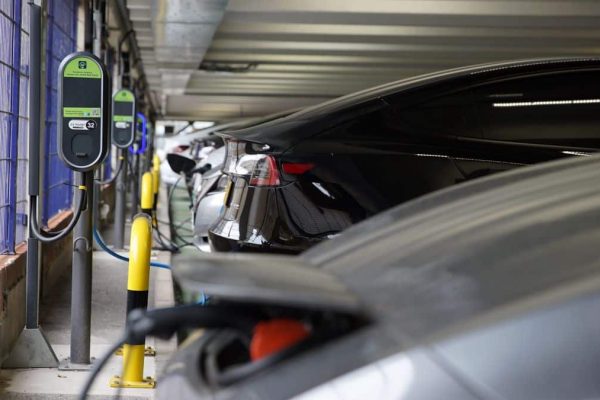
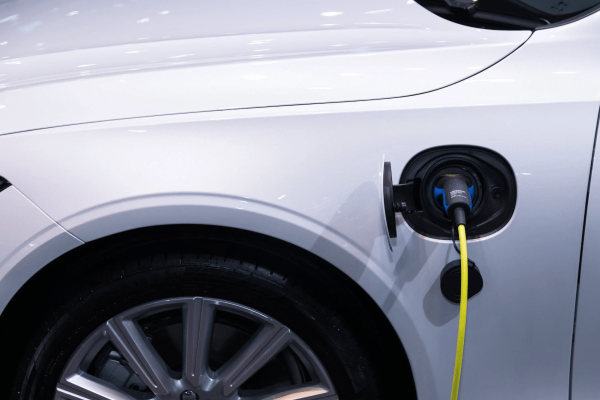
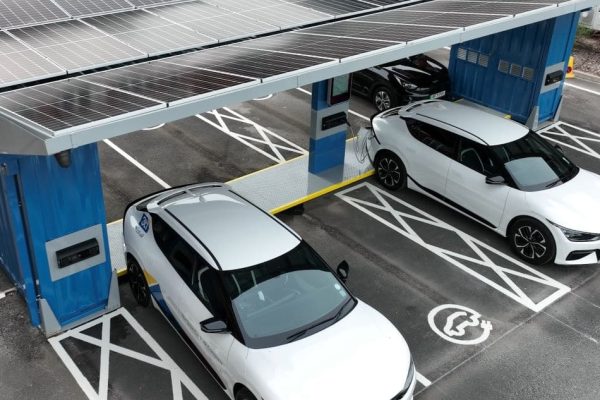
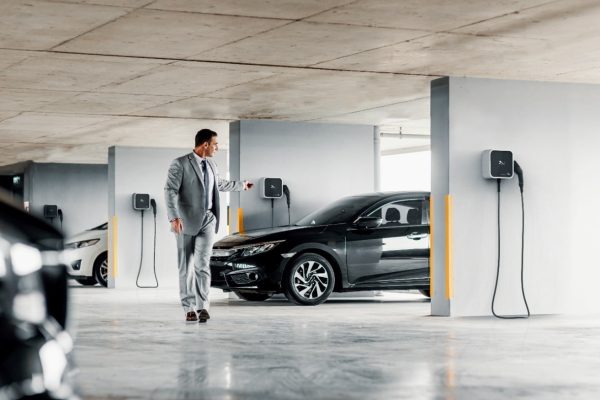
The Environmental Benefits of Electric Vehicle Charging: How EVs Are Helping to Reduce Carbon Emissions